

Sorry, no records were found. Please adjust your search criteria and try again.
Sorry, unable to load the Maps API.
Profile
New York power
Generates renewable electricity from sunlight, supporting New York communities and producing enough electricity for about 840 homes for a year.*
Air quality & health in Onondaga County
Onondaga County has a population of 467,873. Across five conditions the American Lung Association tracks — childhood asthma, adult asthma, COPD, lung cancer, and cardiovascular disease — it reports a combined 96,258 cases in the county.
The county received a grade of B for ozone pollution. For particle pollution — the fine soot and dust that can be breathed deep into the lungs — it received a grade of D.
Federal monitoring recorded 217 days of good air quality and 52 moderate days in the county over the most recent year, with 4 days rated unhealthy for sensitive groups.
Long-term exposure to air pollution has been linked to certain health conditions, particularly for children and older adults. Where electricity comes from affects how much combustion pollution is produced on the grid.
These figures describe the county as a whole and are not specific to this facility. Sources: American Lung Association – State of the Air (New York); U.S. EPA Air Quality Index.
The story behind this New York renewable energy facility
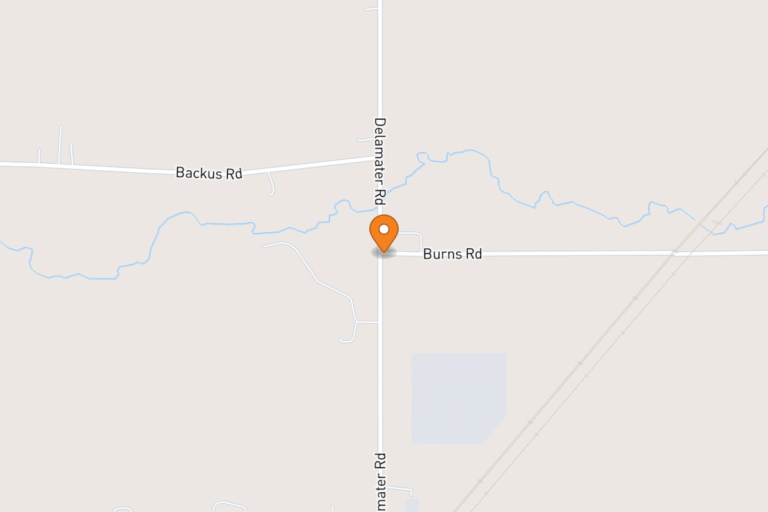
New York has 567 solar plants in this category, and Clay Solar CSG, on Ver Plank Road in Clay, ranks #55 of 567 by 2024 electricity produced. It uses solar photovoltaic technology, which means panels turn sunlight directly into electricity with no moving parts. The plant began operating in 2021 and has a rated capacity of 5.0 MW, the most power it can deliver at any one moment.
In 2024 it produced 8.4 gigawatt-hours, a unit for large amounts of electricity, which is about 840 homes’ worth of yearly use. Solar plants make power only when the sun shines, so their output varies by season and weather. Clay Solar CSG is owned by DG New York CS, LLC, and its power flows into the National Grid system.
Environmental impact
Produces electricity without burning fuel, which avoids roughly 3,200 metric tons of carbon dioxide a year compared with producing the same electricity from the national mix of power sources — about the same as keeping about 1,300 tons of waste out of a landfill.*
Nearby places worth exploring
Clay sits just north of Syracuse, home to Syracuse University and Onondaga Lake Park along the lakeshore. Green Lakes State Park, known for its glacial lakes and trails, is another popular outing in the area.
Local school district
North Syracuse Central School District
Common questions
What kind of power plant is this?
Where is it?
Who runs it?
Which utility serves this area?
Is this near my ZIP code?
* Homes-powered and emissions comparisons are annual estimates based on national averages from the U.S. Energy Information Administration. “Homes powered” describes a quantity of electricity, not direct service to specific households. How we calculate this.