
Key Takeaways
- Prioritize the Source: The most effective way to shrink a carbon footprint is to change the energy source itself, rather than just trimming usage at the edges.
- Upstream vs. Downstream: Think of your footprint like a river. Daily habits (downstream) are small trickles; the energy grid and transportation (upstream) are the main flow.
- The “Big Three”: Home heating, electricity sources, and daily transportation are the three largest levers in any household footprint.
- Foundation First: View small habits as finishing touches and energy source changes as the essential foundation of a sustainable lifestyle.
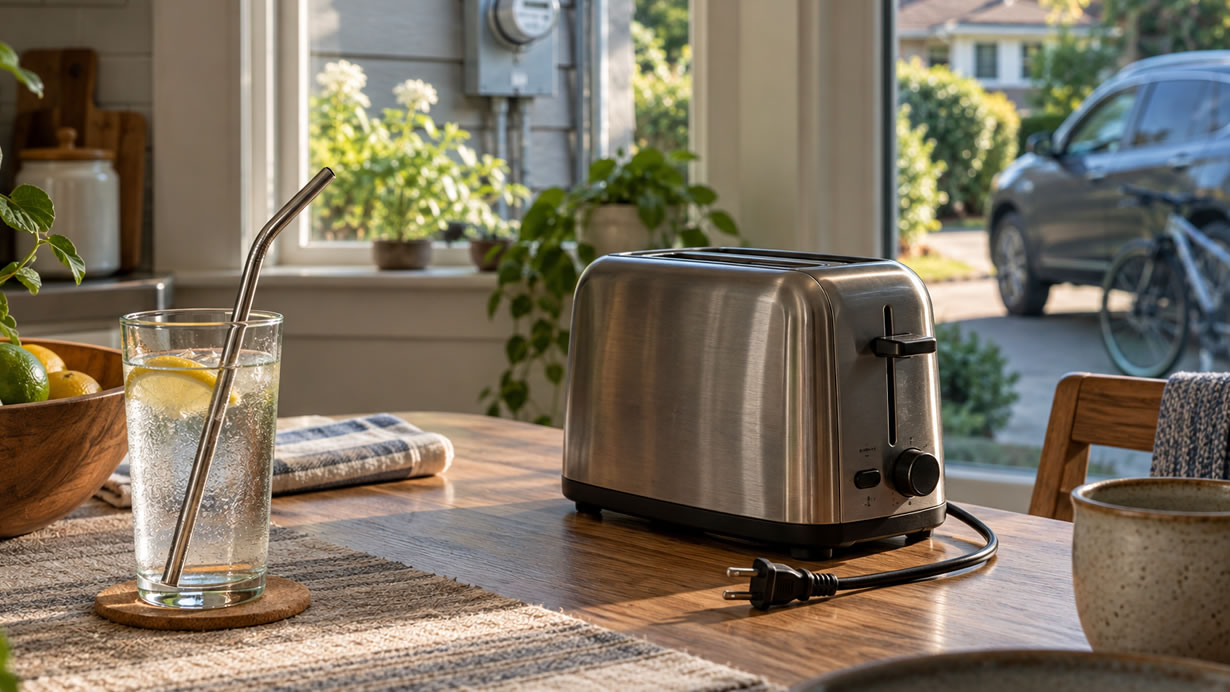
Quick answer: Most footprint advice points at small daily habits — skip the straw, unplug the toaster. Those aren’t wrong, and they’re small. The changes that move a household’s footprint the most are the ones closest to the source of energy: where your power comes from and how you get around. The closer to the source, the bigger the change.
You’ve heard the advice. Skip the plastic straw. Unplug the toaster when you’re done. Bring the reusable bags. Take shorter showers. Somewhere along the way, “shrinking your carbon footprint” turned into a long checklist of small daily corrections, most of them about using a little less of something.
None of that is wrong, exactly. And there’s a piece of the picture the checklist almost never mentions — and it’s the biggest piece of all.
A Checklist That Skips the Main Event
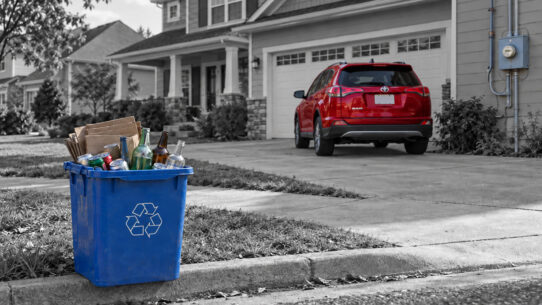
Picture the standard list of footprint tips. It usually runs something like this: use less water, waste less food, recycle more, buy fewer things, remember to unplug. Every item asks you to trim a habit at the edges of daily life.
Now notice what’s usually missing from that list. Where your electricity comes from. How your home is heated. How you get around day to day. The three things that tend to shape a footprint the most are often the three things the checklist skips entirely — probably because they feel bigger, further away, and less like something you can do on a Tuesday afternoon.
So people end up focused on the smallest levers while the largest ones sit quietly in the background. It’s a bit like carefully trimming the hedges while the front door is wide open. The trimming is real work, and it isn’t the thing making the biggest difference.
The Closer to the Source, the Bigger the Change
Here’s the concept worth holding onto: the closer a change gets to the source of energy, the more it moves the outcome.
Think of energy like a river running through a household. Way upstream is the source — where the power is actually generated, what fuel it came from. Downstream are all the small daily habits — the water you use, the things you buy, the food you toss. A checklist mostly works downstream, near the end of the river, making small adjustments to the flow as it passes.
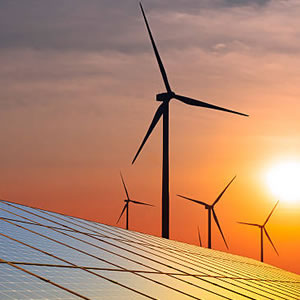
The source sits upstream, and it shapes everything that comes after it. Change something close to the source — the mix of energy powering your home, or how you get from place to place — and you’ve moved a large volume of the whole river at once. Change something far downstream — one fewer plastic item, a slightly shorter shower — and you’ve adjusted a small trickle near the end.
Both are real. They’re just working at completely different scales. The habits at the end of the river are the ones we can see and touch every day, which is exactly why they get all the attention. The source, further upstream and out of sight, is the one quietly doing the heavy lifting.
This is why two people can follow every item on the same green checklist and still end up with very different footprints. The checklist lives downstream. The biggest differences live at the source.
One More Place the River Runs
The same logic reaches past the house, too. How you get around — the daily driving, the trips for errands and groceries — sits close to the source as well, because it runs on fuel directly or on the same grid that powers your home. That’s why transportation tends to land right behind home energy in size. It’s another upstream lever hiding in plain sight, mistaken for a downstream habit.
Look Again at the Toaster
Go back to that toaster you’ve been dutifully unplugging.
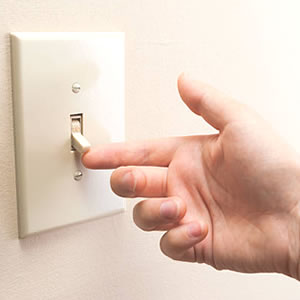
Unplugging it saves the tiny bit of standby power it draws when it’s idle. That’s genuinely something. And here’s the part that reframes it: the far bigger question isn’t whether the toaster is plugged in — it’s what kind of energy is powering it when it’s actually on, and every other device in the house along with it.
The toaster is downstream. The source of the electricity flowing into it is upstream. Unplugging the toaster nudges the trickle. What’s feeding the whole house touches everything at once — the toaster, the lights, the heat, the refrigerator humming in the corner. That’s the difference between adjusting one small habit and moving the thing that sits behind all of them.
None of this means the small habits are pointless. It means they’ve been carrying more of the conversation than their size can support, while the source — the biggest lever in the room — barely gets mentioned. Once you can see which changes sit close to the source and which sit far downstream, the whole topic reorganizes itself. The checklist stops feeling like the main event and starts looking like what it is: the finishing touches, not the foundation.
A Door, If You Want to Walk Through It
You can keep unplugging the toaster. It’s a fine habit, and nothing here asks you to stop.
And if the idea that the source matters more than the checklist landed as a small surprise, that’s the thread worth following. Because once “closer to the source, bigger the change” clicks, a more useful question comes into focus — not “which small habit should I fix next,” but “where is my energy actually coming from, and what would it mean to move that.” That’s a much bigger lever, and it’s one worth understanding before touching anything at all.
No rush, and nothing to do today. Just a different place to look than the checklist has been pointing.
Questions People Ask
What actually shrinks a carbon footprint the most? The changes closest to the source of energy — where your home’s power comes from and how you get around — tend to move a footprint the most. Small daily habits help, and they work at a much smaller scale than the source itself.
Do small habits like unplugging or skipping straws really matter? They’re not pointless, and they’re small. They trim usage at the edges of daily life, while the biggest differences come from changes closer to the source, like the energy powering your home.
Why is home energy a bigger factor than everyday habits? Because home energy sits close to the source — it touches everything running in the house at once. A daily habit adjusts one small thing; the source shapes the whole picture behind it.
Does how I get around affect my carbon footprint? Yes. Transportation sits close to the source too, because it runs on fuel directly or on the same grid that powers your home. That’s why it tends to land right behind home energy in size.
Why do two people with the same habits have different footprints? Because habits live downstream and the source lives upstream. Two households can follow the same checklist and still differ, based on where their energy comes from.
Want the full picture of what actually shapes a household’s footprint — and which pieces sit closest to the source? Start with Carbon Footprint, Simplified and Reclaimed.
Keep going: Why Your Neighbor’s Footprint Can Be Half of Yours With the Same Exact Habits and The Carbon Finger Almost Everyone Overrates.

Author: CEL Editorial Team
The CEL Editorial Team turns complex energy topics into clear, practical stories—grounded in public data, credible sources, and a New York perspective.