

Key Takeaways
- Visibility vs. Impact: Recycling is our most frequent and visible green ritual, which causes us to mentally inflate its carbon impact.
- The “Coffee vs. Rent” Analogy: Recycling is like a daily coffee—worth tracking, but home energy and transportation are the “rent” that actually dictates your carbon budget.
- Waste vs. Carbon: Recycling is a vital tool for material reuse and waste reduction, but it remains one of the smallest levers for shifting household carbon numbers.
- Look Upstream: The biggest footprint reductions live at the source: where your electricity comes from and how your home is heated.
Quick answer: Recycling gets more attention in footprint conversations than almost anything else, and it tends to be the smallest lever of all — the area that moves a household’s carbon footprint the least. It still matters for waste and reuse. It just isn’t the big mover most people assume it is, and understanding that takes pressure off the wrong place.
Rinse the can. Flatten the box. Check whether the lid goes in the bin or the trash. Sort the glass from the plastic. For a lot of people, recycling is the single most visible thing they do that feels connected to the environment — a small ritual repeated week after week, with real care behind it.
So here’s something that surprises almost everyone: when it comes to a household’s carbon footprint, recycling tends to be the smallest lever of the bunch.
The Most Visible Habit We Have
Recycling has a quality most other footprint-related habits don’t: you can see it. There’s a bin. There’s a weekly pickup. There’s a moment of decision at the counter — this goes here, that goes there. It’s physical, it’s routine, and it comes with a satisfying sense of having done something.
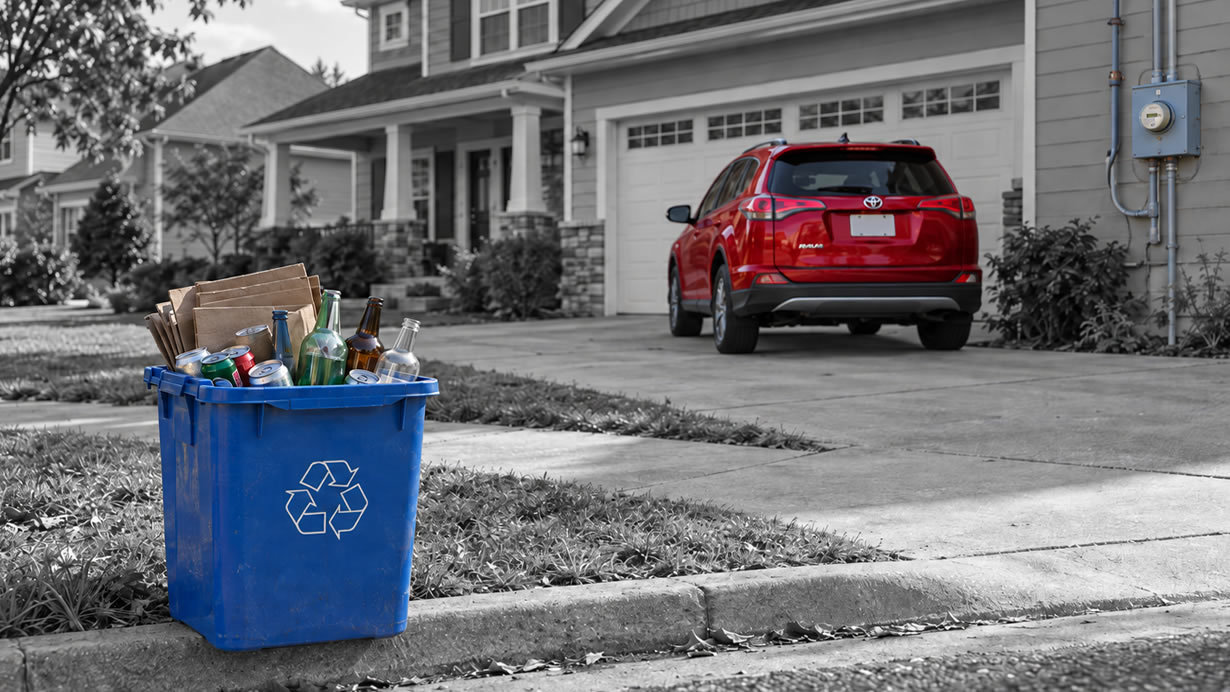
That visibility is exactly why recycling looms so large in how people think about their impact. When someone pictures “being greener,” the recycling bin is often the first image that comes to mind. It’s the habit with the clearest feedback loop — you can watch the bin fill up and get carried away every week.
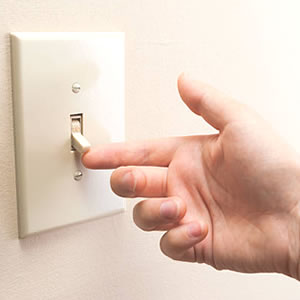
Meanwhile, the areas that actually move a footprint the most — how a home is powered, how it’s heated, how people get around — are nearly invisible by comparison. No weekly ritual. No bin at the curb. No moment of sorting. They just happen quietly in the background, which is part of why they’re so easy to underrate while the recycling bin gets all the credit.
Attention and Impact Aren’t the Same Thing
Here’s the concept worth holding onto: how much attention a habit gets and how much it actually moves a footprint are two completely different things — and recycling is where they come apart most clearly.
Think of it like a household budget. Some people track every coffee and small purchase closely, because those transactions are frequent and visible — you feel each one. And the things that actually determine the budget, the rent and the big fixed costs, get set once and rarely looked at. The small, visible spending gets the daily attention. The large, quiet costs do most of the shaping.
Recycling is the daily coffee. It’s frequent, visible, and easy to feel good about. Home energy and transportation are the rent — large, mostly fixed, quietly setting the baseline while getting a fraction of the attention. Careful recycling is genuinely worth doing, and it’s working at the scale of the coffee, not the rent.
This isn’t a knock on recycling, and it plays a real role in reducing waste and reusing materials. It simply sits at the small end of the carbon story, far from the source of a household’s energy, which is where the biggest movement lives. The mismatch is only that it gets talked about as though it were the rent, when it’s really the coffee.
Why Recycling Got So Big in the First Place
It’s worth a moment on how recycling came to carry so much weight. For decades it’s been the one environmental action taught early, built into daily life, and made easy to do — a bin in the kitchen, a truck on the street, a habit passed down. It became shorthand for caring about the planet, long before most people ever thought about where their electricity came from. None of that history is wrong. It simply means recycling inherited an outsized place in the mental picture, and the quieter, larger levers never got the same head start.
The Bin, Reconsidered
So look at that bin one more time.
Nothing about the sorting is wasted. The care is real, the waste reduction is real, and it’s worth keeping up. What changes is only the size you assign it in your head. Recycling has been carrying the weight of a whole environmental conscience for a lot of people — as if getting the bin right were the main way a household affects its footprint. It isn’t, and that’s oddly freeing.
Because if the bin is the coffee, not the rent, then getting it perfect was never going to move the big number much. And the big number lives somewhere else entirely — upstream, at the source of the home’s energy, in the parts of daily life that never come with a curbside ritual. Seeing that doesn’t make recycling matter less. It just puts it in proportion, and points attention toward where the larger difference actually sits.
A Door, If You Want to Walk Through It
You can keep recycling exactly as carefully as you always have. It’s a good habit, and nothing here asks you to stop.
And if it’s a small relief to learn that the bin was never the biggest lever — that getting it right or occasionally wrong was never going to make or break your footprint — that relief points somewhere useful. It points upstream, toward the parts of a household that actually set the baseline: where the energy comes from, and how the home runs on it.
No rush, and no grading of anyone’s sorting. Just a more accurate sense of which habits are the coffee and which are the rent.
Questions People Ask
Does recycling actually reduce my carbon footprint? It helps a little, and it tends to be the smallest of the main areas that shape a footprint. Recycling plays a real role in reducing waste and reusing materials — it just isn’t the biggest lever on carbon.
Why does recycling get so much attention if it’s a small lever? Because it’s the most visible thing people do — a bin, a weekly pickup, a moment of sorting. Home energy and transportation move a footprint far more, and they happen quietly in the background with no curbside ritual.
What actually moves a household’s carbon footprint the most? The areas closest to the source of energy — how a home is powered and heated, and how people get around. These set the baseline, while recycling adjusts things at the small end.
Should I stop recycling, then? No. Recycling is worth keeping up for waste reduction and material reuse. The point isn’t to do less of it — it’s to see it in proportion, and to know the bigger difference lives upstream, at the source of a home’s energy.
Why did recycling become the main thing people think of as “being green”? Because for decades it was the environmental action taught early and built into daily life, long before most people thought about where their electricity came from. It inherited an outsized place in the picture, while the larger levers never got the same head start.
Want the full picture of what actually shapes a household’s footprint — and why the source matters most? Start with Carbon Footprint, Simplified and Reclaimed.
Related: The Straw, the Toaster, and the Thing Nobody Mentions and Why Your Neighbor’s Footprint Can Be Half of Yours With the Same Exact Habits.

Author: CEL Editorial Team
The CEL Editorial Team turns complex energy topics into clear, practical stories—grounded in public data, credible sources, and a New York perspective.