


Key Takeaways
- Combustion creates byproducts: Burning fuels like natural gas, oil, or coal releases pollutants into the air; renewable sources like wind and solar do not.
- Four main pollutants: Particulate matter, nitrogen oxides, sulfur dioxide, and ground-level ozone are the primary emissions associated with electricity generation.
- Geography affects exposure: Wind and weather shape where pollutants travel, but communities near “peaker plants” often experience more consistent exposure.
- Health impacts are systemic: Inhaled pollutants primarily affect the lungs and heart, with children and older adults being more sensitive to air quality changes.
- Hidden costs: Beyond direct health effects, air pollution contributes to indirect costs like increased healthcare spending and missed school or work days.
Quick answer: How electricity gets generated can also affect the air people breathe. This page connects combustion-based generation to real pollutants, explains where that pollution goes, and describes what it means for health — in plain terms, without alarm.
Electricity and the Air We Breathe
Electricity powers homes, schools, and hospitals. Depending on how it’s generated, it can also affect something just as basic: the air outside. This isn’t about raising alarm. It’s about visibility — connecting a system most people never see to something everyone experiences every day, simply by breathing.
The Focus Is Local
This isn’t about global climate discussions. It’s about what happens in New York communities, near New York infrastructure, in the air New Yorkers actually breathe.
Visibility, Not Judgment
Nothing here is framed as an indictment of any fuel source, plant, or choice. It’s a description of a physical process and what it means for the people living near it.
From Combustion to Air: What Actually Gets Released
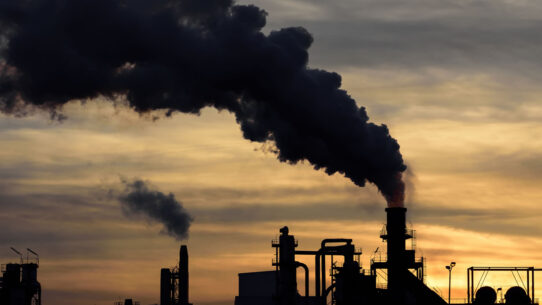
When a power plant burns fuel — natural gas, oil, or coal — that combustion doesn’t just produce heat and steam. It also releases byproducts into the air through a smokestack. This is the physical starting point for everything else on this page.
Combustion Produces More Than Electricity
Burning fuel to generate electricity is a chemical process, and chemical processes produce byproducts. Some of those byproducts go into the air, which is what makes combustion-based generation different from generation methods that don’t involve burning anything.
Not All Generation Involves This Step
Wind, solar, and hydro don’t burn fuel, so this particular byproduct step doesn’t apply to them.
What Gets Released Varies by Fuel and Plant
The specific mix of byproducts depends on the fuel being burned and the equipment and controls in place at that particular plant. Natural gas, oil, and coal don’t all produce the same profile of emissions.
Meet the Main Pollutants
A handful of pollutants come up again and again in conversations about combustion and air quality. Naming them plainly, without jargon, is the goal here — not a chemistry lecture.
Particulate Matter
Tiny particles small enough to be inhaled deep into the lungs. Often referred to by size, like PM2.5, which just means the particle is 2.5 micrometers or smaller — far too small to see individually.
Nitrogen Oxides
A group of gases, often shortened to NOx, that form during high-temperature combustion. They play a role in both respiratory effects and the formation of ground-level ozone.
Sulfur Dioxide
A gas released mainly from burning fuels that contain sulfur, most notably coal and some oil. It’s a smaller factor in New York than in some other regions, given the state’s generation mix.
Ground-Level Ozone
Not released directly, but formed when nitrogen oxides and other compounds react in sunlight. This is the ozone relevant to air quality alerts — distinct from the ozone layer higher in the atmosphere.
Where This Pollution Goes
Pollutants released from a smokestack don’t stay in one place. Weather, wind patterns, and geography all shape where they travel and how concentrated they become by the time they reach people.
Distance Doesn’t Always Mean Safety
Wind can carry pollutants well beyond the immediate area around a plant. At the same time, communities closest to a source often experience more concentrated, more consistent exposure than communities farther away.
Weather Plays a Real Role
Air quality tends to shift with weather patterns — some conditions trap pollutants closer to the ground, while others help disperse them more quickly.
Some Plants Run Only When Demand Spikes
Certain power plants, sometimes called peaker plants, operate mainly during periods of high electricity demand, such as hot summer afternoons, then sit idle the rest of the time. Because they need to respond quickly when demand rises, they’re often built closer to the areas where that demand spikes.
New York’s Geography Shapes This Locally
Population density, local terrain, and the placement of combustion-based infrastructure all affect which communities experience more or less exposure across the state.
What Air Pollution Means for the Body
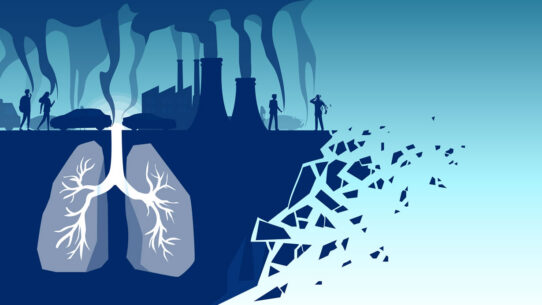
Once these pollutants are in the air people breathe, they can affect health — particularly the respiratory and cardiovascular systems, and particularly for certain groups more than others.
The Respiratory System Is the Main Point of Contact
Because these pollutants are inhaled, the lungs and airways are typically the first part of the body affected. Irritation, inflammation, and worsened symptoms for people who already have respiratory conditions are the most commonly discussed effects.
The Cardiovascular System Is Affected Too
Fine particles small enough to enter the bloodstream can also place added strain on the heart over time. Increased cardiovascular strain is one of the effects most consistently documented in public health research, alongside respiratory impact.
Some Groups Experience More Effect Than Others
Children, older adults, and people with existing conditions like asthma or heart disease tend to be more sensitive to air quality changes than the general population. This isn’t unique to power generation — it applies to air pollution from any source.
Effects Range From Immediate to Long-Term
Some effects show up quickly, like irritation on a high-pollution day. Others relate to longer-term, sustained exposure. This page describes the categories in general terms — specific health guidance is outside what it covers.
Air Pollution’s Wider Ripple
Health effects aren’t the only consequence people experience. Air quality connects to daily life in other concrete ways too.
More Health Care Visits
Communities with higher pollution levels tend to see more hospital and clinic visits related to breathing and heart-related symptoms.
Missed School and Work Days
Poor air quality days are linked to higher rates of school absences and reduced work productivity, particularly for people with existing respiratory or cardiovascular conditions.
These Costs Show Up Indirectly
None of this appears as a line item on an electric bill. It shows up elsewhere — in health care spending, missed time, and daily life — which is part of why the connection to how electricity gets generated is easy to overlook.
Renewable Sources and the Combustion Question
It’s worth stating plainly, without spin: sources that don’t involve combustion — wind, solar, hydro — don’t produce this particular category of air emissions, because there’s no burning step in the process.
This Is a Structural Fact, Not an Argument
This isn’t a case for or against any energy source. It’s simply describing what combustion does and doesn’t produce.
Renewable Sources Have Their Own Separate Considerations
Wind, solar, and hydro each come with their own land use, materials, and siting questions — genuinely different topics from air emissions.
The Point Is Understanding the Mechanism
Knowing which sources involve combustion — and which don’t — is what makes this whole page make sense.
The Full Picture
Line it up: how electricity gets generated, what it costs a household, and what it means for the air — three angles on the same system, each one adding a layer of visibility to what was invisible before.
One System, Several Angles
Generation, footprint, and air quality aren’t three separate topics. They’re three ways of looking at the same thing.
Nothing Here Asks for a Response
This page doesn’t end with an instruction. It ends with a clearer picture of how electricity connects to daily life — this time, through the air itself.
Frequently Asked Questions
Does all electricity generation affect air quality? No — only combustion-based sources like natural gas, oil, and coal release air emissions from burning fuel. Wind, solar, and hydro don’t involve that step.
What is particulate matter? Tiny inhalable particles, often measured by size — PM2.5 refers to particles 2.5 micrometers or smaller, small enough to reach deep into the lungs.
What are nitrogen oxides? A group of gases formed during high-temperature combustion that affect respiratory health and contribute to the formation of ground-level ozone.
How is ground-level ozone different from the ozone layer? Ground-level ozone forms near the earth’s surface from pollutant reactions in sunlight, and is relevant to daily air quality — a different layer entirely from the protective ozone layer higher in the atmosphere.
Does air pollution affect more than the lungs? Yes. Alongside respiratory effects, fine particles can also place added strain on the cardiovascular system over time.
Does living near a power plant always mean more exposure? Generally, communities closer to combustion sources tend to experience more concentrated exposure, though wind and weather can carry pollutants well beyond the immediate area too.
What is a peaker plant? A power plant that mainly runs during periods of high electricity demand, then sits idle the rest of the time. Because it needs to respond quickly, it’s often located closer to the areas where demand spikes.
Who is most sensitive to air pollution? Children, older adults, and people with existing respiratory or cardiovascular conditions tend to experience effects more than the general population.
Does air pollution have costs beyond health? Yes. Higher pollution levels are linked to more health care visits, missed school days, and reduced work productivity.
Does this page take a position on any specific fuel source? No. It describes what combustion produces and how non-combustion sources differ mechanically, without arguing for or against any particular source.
How does this connect back to my carbon footprint? Home energy is usually the largest piece of a household’s footprint, and it traces back to the same generation mix that shapes air quality.

Author: Frank Rosa
After decades in energy and sustainability, Frank founded Clean Energy Local to make electricity easier to understand—connecting how power is made with the grid, air quality, health, and everyday carbon footprint.